
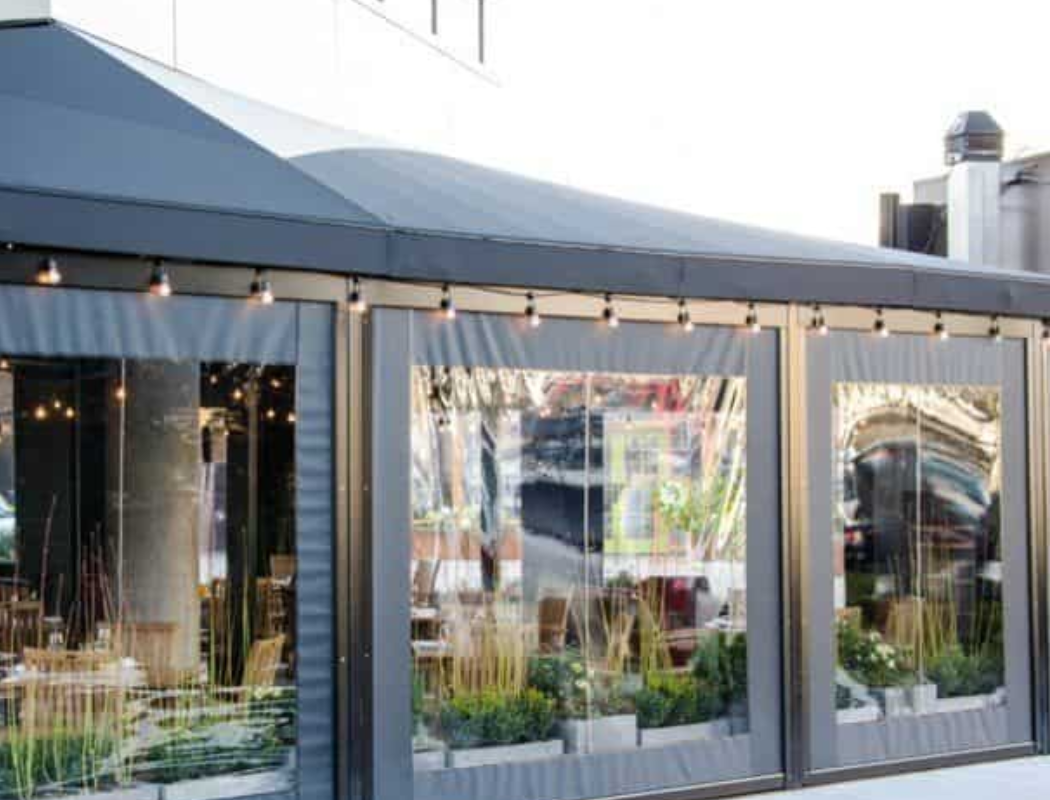
Schools need to manage the constant flow of students and staff during the cold months. When doors open, cold air rushes in and makes classrooms less comfortable for everyone. In New York City, many schools now utilize temporary winter vestibules to help maintain steady indoor temperatures.
These vestibules go beyond stopping drafts. They help schools create a safer and more welcoming environment for learning, regardless of the weather outside. New York City Signs and Awnings partners with schools to build solutions that work in real-life conditions.
Every campus looks for ways to improve comfort and daily operations when temperatures drop. Keep reading for practical reasons to invest in this smart upgrade for your school.
Key Takeaways
- Temporary winter vestibules help schools keep entryways safer, more organized, and easier to manage during busy arrival and dismissal times.
- These enclosures improve indoor comfort, reduce energy loss, and prevent cold air from disrupting classrooms and common areas.
- Schools utilize vestibules to support health guidelines, enhance campus aesthetics, and create flexible spaces that adapt to evolving needs.
Reduced Draft Impact on Large Open Lobbies
When a school’s main entrance opens into a wide lobby, cold air doesn’t just slip inside. It floods in. A temporary winter vestibule creates a buffer zone that slows down the exchange and helps the HVAC system maintain stable temperatures.
Smoother Traffic Flow Reduces Cold Air Volume
During arrival and dismissal, large groups move through entrances quickly. Without a vestibule, every open door allows a rush of outside air to enter. A vestibule changes this by narrowing the entry path, slowing the airflow, and reducing the volume of cold air.
Improved Sensor Accuracy and HVAC Efficiency
Most large lobbies utilize automated sensors to regulate the temperature. When cold air rushes in, it triggers false temperature drops and causes the system to overcorrect. A vestibule reduces these sudden swings and keeps the readings more consistent.
Less Temperature Shock for Occupied Spaces
Cold air from the lobby spreads into nearby classrooms and hallways. That shock creates complaints, distractions, and HVAC overuse. Vestibules help stop the chill at the door and keep interior zones more comfortable and stable.
Why Are Winter Vestibules Useful For Busy School Entrances?
Winter vestibules help busy school entrances stay calm and organized by creating a buffer zone that reduces crowd pressure. Students move inside in smaller waves, which keeps the air steady instead of pushing cold bursts into the lobby. Staff at the front door stay more comfortable and focused when the temperature stays stable.
These vestibules guide foot traffic in a smooth pattern that supports a safer entry for young students. The space also limits noise and movement spikes that make mornings feel hectic. Schools in crowded areas receive even greater value when they utilize temporary winter vestibules in New York City, as they help maintain order during the busiest times of day.
Are you looking for a simple way to improve comfort at your school entrance this winter? Invest in temporary winter vestibules from New York City Signs and Awnings.
Improved Protection from High Wind Exposure
Strong winter winds can make school entrances uncomfortable and harder to manage. Buildings near wide fields or packed between tall structures often deal with wind tunnels that slam against entry doors. A winter vestibule helps ease that pressure by catching the wind before it reaches the main entrance.
That extra barrier keeps the doorways calmer, which makes it easier and safer for students and staff to walk in. It also protects doors from constant slamming or sticking, which often leads to damage. Over time, that small change helps reduce maintenance costs and extends the life of your entry hardware.
Schools require practical upgrades that withstand harsh conditions without disrupting daily routines. Temporary winter vestibules in New York City offer a fast, effective way to create a more stable and weather-resistant entrance. They support smoother traffic flow and protect your building from the stress of repeated exposure.
Stronger Temperature Control At Security Checkpoints
Security checkpoints function more effectively when staff remain warm and alert. Screening areas near front doors often feel cold during busy periods, which makes the job more challenging. A winter vestibule creates a steady indoor zone that helps teams stay focused on safety.
Warm air holds longer when the entrance has a buffer before guests reach the checkpoint. Staff move faster and stay more comfortable when they are not dealing with chilly gusts every time the door opens. Visitors also feel more at ease when their first step inside is calm and organized.
Schools with high traffic need dependable temperature control during morning rushes and afternoon pickups. A vestibule helps maintain stable conditions even when hundreds of people pass through. This simple change creates a smoother, safer experience for everyone entering the building.
Weather Protection for Students Who Wait Outside
Many students wait near school entrances before and after classes. A vestibule provides a warm, dry space without forcing them into crowded halls. Staff can also keep a better eye on this area without pulling students indoors too early.
More schools now use temporary winter vestibules in New York City to manage this daily routine. These spaces help students stay safe and comfortable while giving schools more control over traffic at the door.
Cleaner Indoor Floors During Snow Season
Wet shoes bring more than just water inside. Snow, ice, and salt accumulate near school entrances during winter, making the floors hazardous. A vestibule provides a space for moisture to dissipate before it spreads into the main hallways.
Here is how a vestibule improves safety, cleanliness, and comfort during cold months:
- Controlled snow melt at the entrance: The enclosed space gives snow a chance to fall off or melt before people step onto interior flooring. This helps reduce the amount of moisture that gets tracked into the building.
- Fewer slip hazards during peak hours: With less slush on the floors, students and staff face fewer safety issues at busy times. It lowers the chance of falls near doorways and walkways.
- Less salt damage to flooring: Salt wears down floor finishes and causes long-term damage. A vestibule cuts the amount of salt that reaches tile and vinyl surfaces.
- Improved mood through perceived warmth: Stepping into a calm, protected space before entering the main building makes people feel more comfortable. That early sense of warmth can shape how students and staff feel throughout the day.
Schools that invest in winter vestibules create safer, cleaner, and more welcoming entry points when the weather turns harsh.
Better Crowd Management During After-Hours Events
School events often draw large crowds that gather before the doors open. A vestibule helps take pressure off the main entrance by giving early arrivals a place to wait under cover. Families stay protected from the cold wind while they line up outside.
Staff also benefit from having a defined space for managing traffic flow. A vestibule makes it easier to check tickets, answer questions, or guide people inside without blocking the doorway. Schools gain more control over movement without needing extra construction.
Temporary winter vestibules work well for both small and large gatherings. They create extra square footage that serves a purpose during peak use times. This helps schools stay organized even during high-demand events.
Build A Better Campus Experience With Temporary Winter Vestibules
Adding temporary winter vestibules does more than keep out the cold. These smart upgrades help schools create a safer, more welcoming space for everyone. Trust New York City Signs and Awnings to deliver the comfort and reliability your campus needs all season.
Frequently Asked Questions
How do temporary winter vestibules improve safety for schools?
Temporary winter vestibules create a safer space by helping to manage foot traffic and reducing the risk of slippery floors at busy entryways. They also provide schools with a better way to organize arrivals and dismissals during harsh weather conditions.
What are the benefits of using temporary vestibules instead of permanent structures?
Temporary vestibules offer flexibility, letting schools adjust or remove them as needed without a long-term commitment. They provide strong protection and energy savings while avoiding major construction or renovation costs.
Can temporary vestibules help schools save on heating costs?
These enclosures act as a barrier against cold air, which helps keep warm air inside and reduces how hard the heating system works. Schools can see real energy savings throughout the winter months.
How do vestibules support health guidelines in school environments?
Vestibules help schools limit exposure to outdoor pollutants and maintain a more controlled indoor climate. This supports cleaner air and helps meet health and wellness standards for students and staff.
Are temporary winter vestibules customizable for different school needs?
Temporary vestibules can be built in a range of sizes, shapes, and colors to fit each school’s entryways and style. Schools can also add graphics, logos, or extra features to match their campus and needs.